
South Africa is one of the most rewarding countries in the world to visit, but it helps to know what you are getting into. After nearly a decade of guiding visitors from over 30 countries, I see the same mistakes come up again and again. Here are the big ones, and how to avoid them.
Underestimating the Size of the Country
This is the number one mistake. South Africa covers 1.2 million square kilometres - roughly five times the size of Great Britain. Cape Town to Kruger is a two-hour flight, not a quick drive. The Garden Route alone takes four to five days to do properly. I have met guests who planned Cape Town, the Winelands, the Garden Route, and Kruger in a single week and spent most of that week in a car or an airport.
Plan your trip around one or two regions and give yourself time to actually enjoy them. If you want to cover more ground, internal flights are affordable and save you days of driving.
Only Visiting the Tourist Hotspots
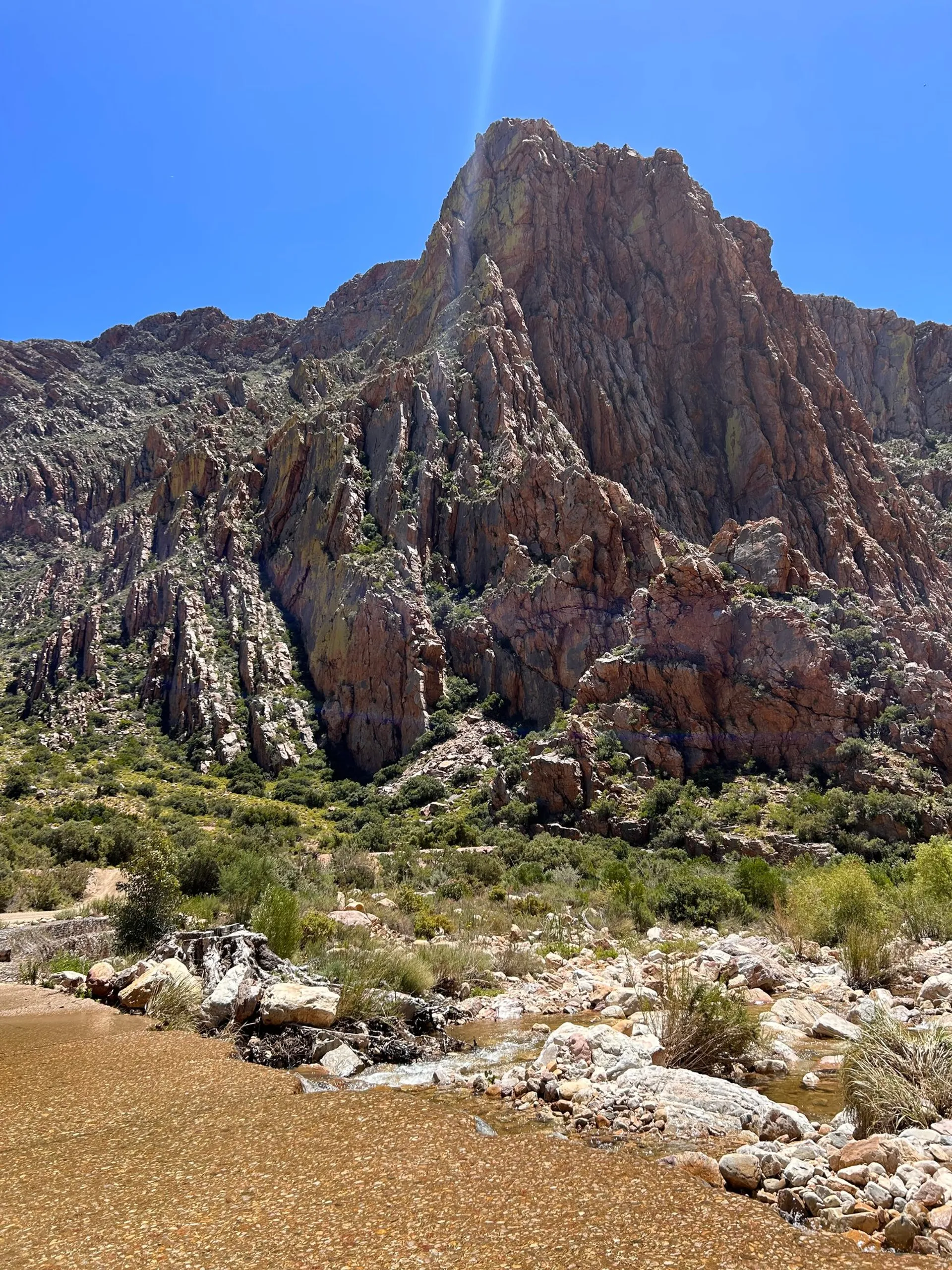
Table Mountain, the Waterfront, the Winelands - these are all brilliant, and I would never tell anyone to skip them. But South Africa has an incredible depth of hidden gems that most visitors never see. The Swartberg Pass in the Klein Karoo. The wild flowers of Namaqualand. The Panorama Route along the Drakensberg escarpment. The empty beaches of the Wild Coast.
A good guide will take you beyond the obvious and show you the places that make this country truly special.
Forgetting to Tip
Tipping is a genuine part of South African culture and an important source of income for many workers. At restaurants, 10-15% is standard. Petrol station attendants, car guards, hotel porters, and safari rangers all appreciate tips. It is not optional in the same way it might be in parts of Europe. Budget for it, carry small notes, and be generous where the service is good.
Renting a Car Without Understanding the Roads
South Africans drive on the left, and the main highways between cities are generally well-maintained. But conditions vary hugely. Some rural roads are gravel. Traffic in Johannesburg can be intense. Long-distance drives involve stretches with limited services. Overtaking etiquette on single-lane national roads is different to what many visitors are used to - slower vehicles pull onto the hard shoulder to let faster traffic pass, and a flash of hazard lights means thank you.
If you are not comfortable with this, there is no shame in hiring a private guide or using internal flights. You will enjoy the trip more when you are not white-knuckling it on unfamiliar roads.
Not Packing for the Weather
South Africa is not uniformly hot. Cape Town in winter gets proper rain and can be genuinely cold, especially on Table Mountain. The Drakensberg gets frost and even snow. Early morning game drives in Kruger during June and July require a proper warm jacket - temperatures can drop below 5 degrees before the sun comes up.
Pack layers, bring a rain jacket, and check the weather for each specific region you are visiting. The climate varies hugely by area and season.
Underestimating the Sun
The South African sun is fierce, especially in summer. The UV index regularly hits extreme levels, and the combination of altitude, reflection off water, and clear skies means you can burn badly even on a cloudy day. Sunscreen, a hat, and sunglasses are not optional - they are essential kit, every single day.
Not Budgeting for Entrance Fees
National park entrance fees, wine tastings, cable car tickets, museum entries - these add up faster than most visitors expect. Table Mountain cable car alone is R550 per person return. Kirstenbosch entry, wine tasting fees across the Cape Winelands, game reserve conservation levies - factor these into your daily budget so there are no surprises.
Trying to Do Everything Independently
South Africa is absolutely a country you can explore on your own, but there are real advantages to having a local guide for at least part of your trip. A guide handles the logistics, knows the best routes and timing, gets you past the queues, and shares stories and context that turn a nice view into a memorable experience. Many of the mistakes on this list simply do not happen when you have someone local looking after you.
If you are planning your first visit to South Africa and want to make the most of it, get in touch. I would love to help you plan a trip that avoids all of these mistakes and gives you the South Africa that keeps people coming back.